
Christian icebreaker games for groups have always meant more to me than just fun activities, because they create real connection in such a gentle, meaningful way. Whenever I bring people together for a church event, youth gathering, or small group meeting, I notice how these simple games break down walls and help everyone feel comfortable. Laughter starts easily, conversations flow naturally, and suddenly strangers feel like family. That shift in atmosphere is something I truly value.
Table of Contents
ToggleWhat makes Christian icebreaker games special is the heart behind them. They are not just about entertainment. They encourage kindness, teamwork, and faith-centered conversations that bring people closer to God and to each other. Honestly, to be fair, some of the strongest friendships I’ve seen in church groups started with one simple game and one shared laugh. These moments create trust, warmth, and belonging, which is exactly what every group needs to grow together in faith and community.
Christian Icebreaker Games for Groups
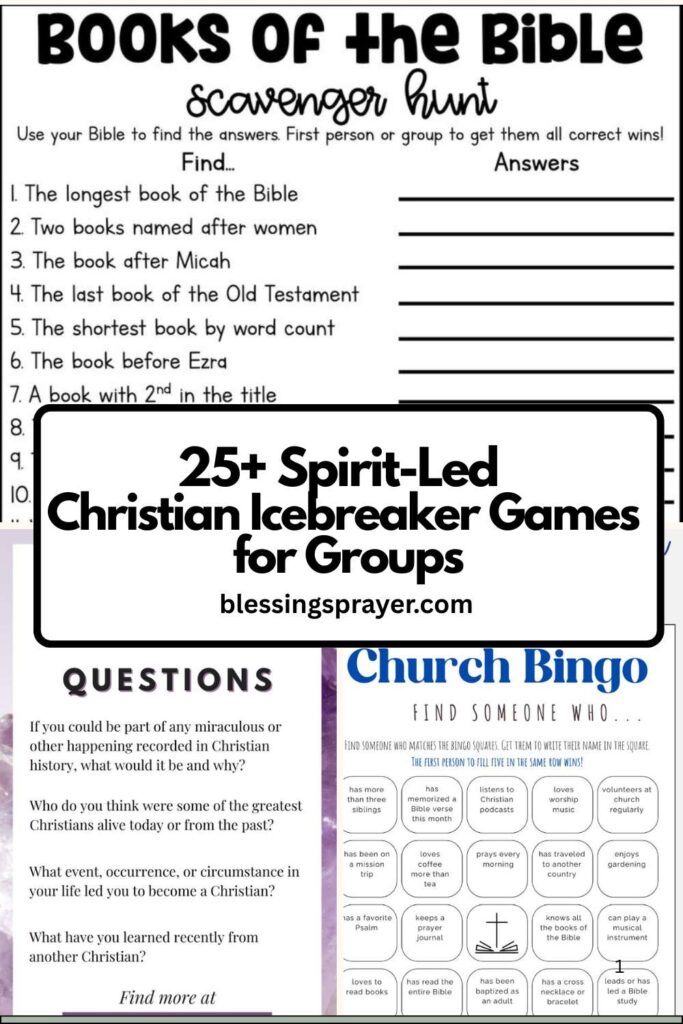
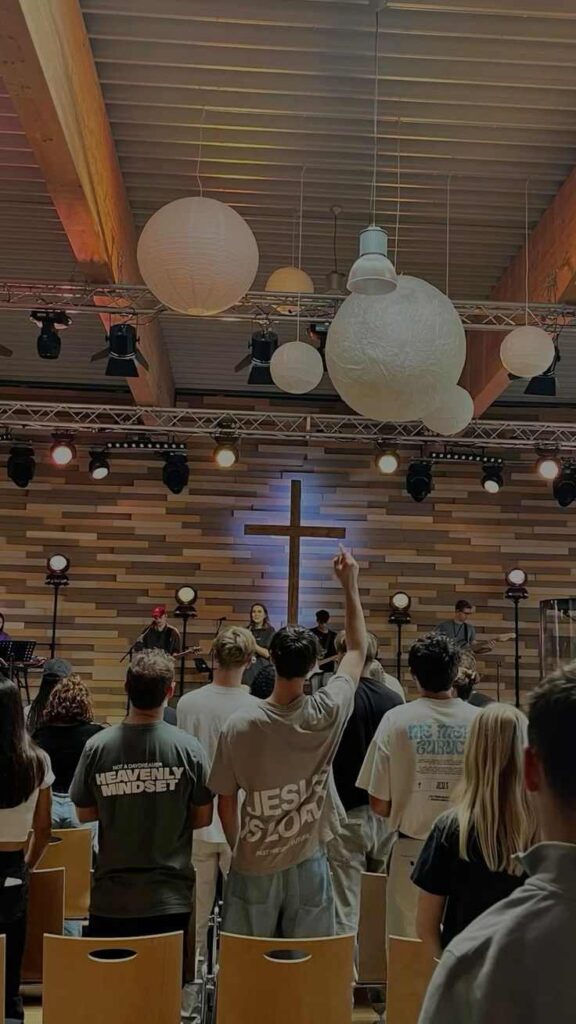
Faith & Favorites Circle
Source: Pinterest
This game always creates a warm and welcoming start to any gathering. Everyone sits in a circle and takes turns sharing one favorite memory connected to faith and one favorite everyday thing, such as music, food, or a hobby. The room quickly fills with laughter and relaxed conversation. People discover surprising things about each other, and even the quietest members begin to open up. The mix of personal faith and normal life helps everyone feel comfortable and understood. It builds trust, connection, and joy without pressure. By the end of the game, the group feels closer, calmer, and ready to move into deeper conversation and fellowship together.
Verse Memory Chain
Participants stand or sit in a circle. The first person says their name and a short Bible verse or phrase. The next person repeats the first name and verse, then adds their own. This continues around the circle, creating a growing chain. The activity strengthens memory, listening skills, and familiarity with Scripture. Leaders can allow verse fragments if full verses feel difficult. The game creates light pressure but also lots of laughter when someone forgets. Honestly, it shows how we rely on one another for support, just like in faith. It works best in small to medium groups and helps people learn names quickly.
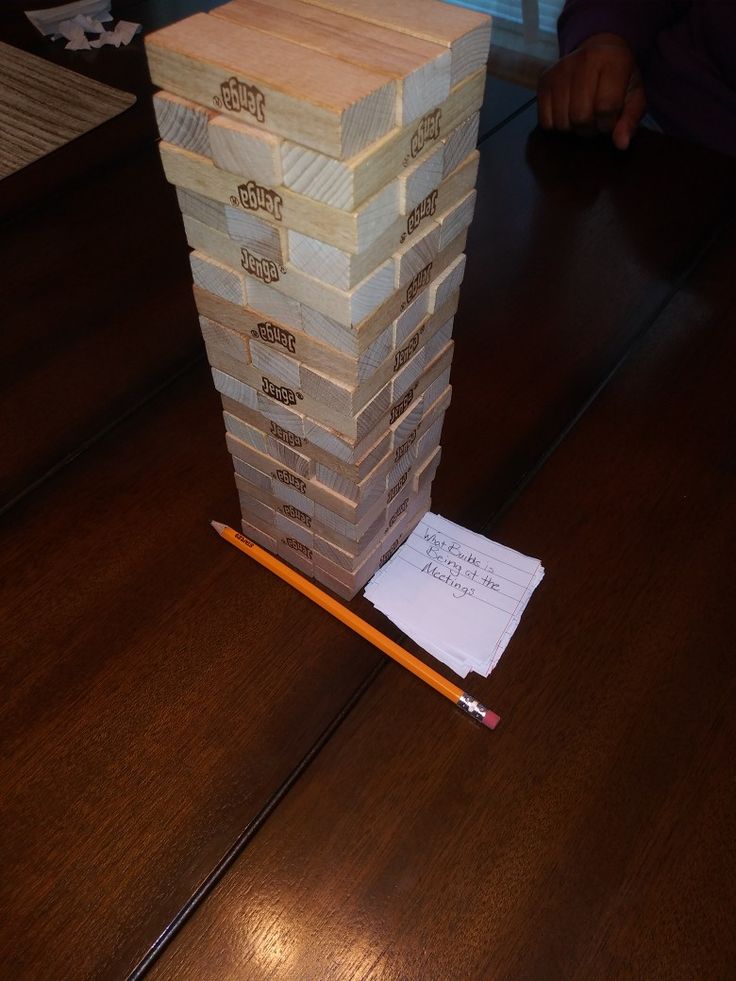
Faith Question Jenga
Source: Pinterest
Write faith-based questions or prompts on Jenga blocks, such as “What helps you trust God?” or “What is your favorite worship song?” Players take turns pulling a block and answering the question before stacking it on top. The game naturally creates focus and fun while guiding conversation deeper. Questions can be adjusted for age or group comfort level. This icebreaker is great for ongoing groups because it balances play with reflection. As the tower grows, so does anticipation and engagement. It’s a relaxed way to encourage sharing without forcing anyone to speak longer than they wish.
Walk the Line: Belief Edition
Create an imaginary line across the room. The leader reads statements like “I enjoy group prayer” or “I find it easy to read the Bible daily.” Participants step forward if the statement applies to them. No one speaks during the activity; movement does the talking. After several statements, the group reflects together on similarities and differences. Honestly, this game helps people realize they are not alone in struggles or joys. It builds empathy without putting anyone on the spot. This activity works well for youth and adults and opens the door for deeper discussion later.
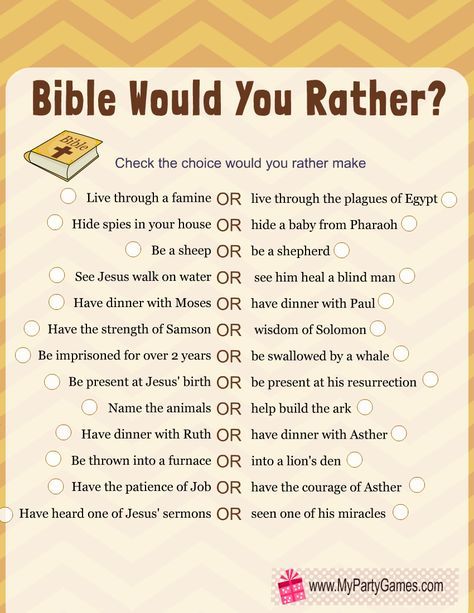
Christian Would You Rather
Source: Pinterest
The leader reads pairs of faith-related choices, such as “Would you rather lead worship or serve behind the scenes?” Participants move to different sides of the room based on their answer. After choosing, a few volunteers explain their reasons. This game encourages movement, laughter, and personal insight. It helps people understand different personalities and callings within the church. There are no wrong answers, which keeps the mood light. Leaders can tie responses back to Scripture about diverse gifts. The activity is quick to set up and works well as a warm-up before teaching or discussion.
Prayer Post-It Wall
Source: Pinterest
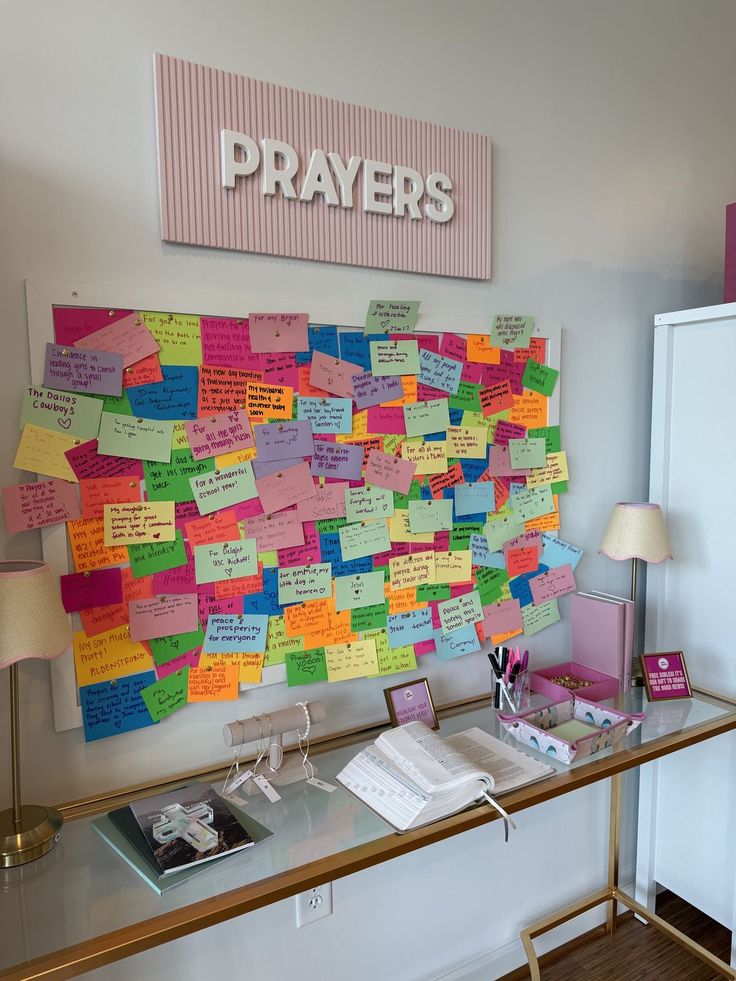
Give each participant sticky notes and ask them to write one prayer request or praise anonymously. Notes are placed on a wall or board. Once everyone finishes, the group reads them silently or aloud. The leader then prays over the collection as a whole. This activity creates a sense of shared burden and community while protecting privacy. Honestly, many people feel safer sharing this way, especially in new groups. It encourages compassion and reminds participants they are supported. This icebreaker is calm, meaningful, and ideal for small groups, retreats, or prayer-focused gatherings.
Faith Object Show and Tell
Participants are asked in advance, or on the spot if simple, to bring or choose an object that represents their faith journey. Each person briefly explains why the object matters to them. Objects can be as simple as a key, notebook, or bracelet. The activity encourages storytelling and reflection without requiring deep theological language. It helps others see faith lived out in everyday life. Leaders should model short, clear sharing to set expectations. This game builds understanding and respect among group members and works especially well for adults or mixed-age groups.
Serve or Sit Scenario Game

Source: Pinterest
The leader reads short scenarios, such as noticing someone alone at church or seeing a need in the community. Participants decide whether they would act or observe, then discuss their reasoning in small groups. The focus is not judgment but awareness. This game encourages practical thinking about living out faith daily. It helps participants reflect on compassion, courage, and service. Leaders connect responses to biblical examples of action and love. The activity promotes thoughtful discussion and self-reflection while remaining engaging. It’s especially useful for discipleship groups aiming to connect belief with behavior.
Faith Web Connections
This icebreaker helps groups see how faith connects everyday lives. Participants stand in a circle, and one person holds a ball of yarn. They share their name, a favorite Bible verse, or a simple faith experience, then toss the yarn to someone else while holding their end. Each person repeats the process, creating a visible “web.” After everyone shares, the leader explains how the web represents the body of Christ—connected, supportive, and strong together. The activity encourages listening, gentle sharing, and visual learning. It works well for youth, adults, or mixed-age groups and sets a cooperative tone. By the end, people feel included and more aware of shared spiritual connections within the group.
Two Truths and a Blessing
This Christian twist on a classic game invites participants to share two true facts about themselves and one blessing God has given them. Each person takes a turn, and the rest of the group listens without guessing, focusing instead on gratitude and testimony. This approach keeps the atmosphere positive and faith-centered while still being fun and engaging. Leaders can encourage simple blessings like friendships, answered prayers, or lessons learned. The game helps people learn personal details while also recognizing God’s work in daily life. It’s ideal for small groups or Bible studies and builds trust gently without pressure to overshare too quickly.
Prayer Partner Match-Up
In this activity, participants receive cards with prayer topics written on them, such as family, guidance, gratitude, or strength. Everyone walks around the room to find someone with a matching or complementary topic. Once paired, they introduce themselves and briefly discuss why that prayer matters to them. Honestly, this game helps break awkward silence while guiding conversation toward meaningful faith topics. After sharing, partners pray briefly for each other. The exercise builds spiritual connection and empathy while remaining simple. It works especially well at retreats or new group gatherings, helping people feel supported and seen from the very beginning.
Bible Verse Puzzle Race
Divide the group into small teams and give each team an envelope containing pieces of a Bible verse written on paper. Teams race to assemble the verse in the correct order. Once finished, they read it aloud and briefly discuss its meaning. This game adds light competition while keeping Scripture at the center. It encourages teamwork, communication, and engagement with God’s Word. Leaders can choose verses that match the theme of the meeting. The activity energizes the room and helps participants who may be shy contribute through problem-solving rather than speaking alone. It’s fun, educational, and suitable for many age groups.
Faith Freeze Charades
Participants take turns acting out faith-related words or situations, such as prayer, forgiveness, worship, or helping others, without speaking. The rest of the group guesses what is being portrayed. When someone guesses correctly, the actor briefly explains why that action matters in Christian life. This game keeps energy high and laughter flowing while still reinforcing spiritual values. It’s especially helpful for groups with mixed personalities, as it allows expressive and quiet members to participate differently. Leaders should keep prompts simple and respectful. The activity creates a relaxed environment where faith topics feel approachable and memorable rather than heavy or intimidating.
Testimony Snapshot Circles
Group members sit in small circles. Each person has one minute to share a “snapshot” testimony—a short moment when they felt God’s presence or learned a faith lesson. The time limit keeps sharing focused and safe. Honestly, many people find this less intimidating than a full testimony, making it easier to open up. After each round, the group thanks the speaker without commentary or debate. This builds respect and trust while encouraging spiritual reflection. The game works well for adults and older youth and helps deepen relationships quickly. It also teaches active listening and appreciation for diverse faith journeys.
Scripture Scavenger Hunt
Prepare a list of clues that lead participants to specific Bible verses, objects in the room, or symbolic items related to Christian themes. Working in teams, players search for answers and record them. Each clue includes a short reflection question to discuss once found. This game blends movement, problem-solving, and Scripture engagement. It’s especially effective for youth groups or retreats where energy levels are high. Leaders can adapt difficulty based on age. The scavenger hunt encourages cooperation rather than competition and helps participants associate fun with learning God’s Word. It also sparks natural conversation and teamwork throughout the group.
Who Am I? Bible Edition
Each participant receives a card with the name of a biblical character taped to their back. They ask yes-or-no questions to figure out who they are. Questions might relate to actions, location, or character traits. Once they guess correctly, they share one lesson from that character’s life. This game is lighthearted but educational, helping people recall Scripture stories in an interactive way. It works well as a warm-up before Bible study. Leaders can assist younger players with hints. The activity encourages curiosity, laughter, and learning, making biblical knowledge feel accessible rather than academic or intimidating.
Gratitude Toss Circle
Participants stand in a circle with a soft ball. One person tosses the ball to another and shares one thing they are grateful to God for. The receiver then does the same before tossing it onward. Honestly, this simple activity can quickly shift the atmosphere toward positivity and worship. It reminds the group of God’s everyday blessings, not just big moments. The game is calm, inclusive, and suitable for all ages. Leaders can set guidelines to keep sharing brief. It’s a great way to open or close a gathering, grounding the group in thankfulness and unity.
Build the Church Challenge
Teams receive basic materials like paper, cups, or blocks and are asked to build a structure representing the church in a limited time. Afterward, each team explains how their structure symbolizes faith, community, or service. This creative activity encourages teamwork and reflection. There is no “winning” structure; the focus is on meaning and cooperation. Leaders connect the activity to Scripture about the church being people, not buildings. The challenge helps participants think creatively about their role in the body of Christ. It’s engaging, non-threatening, and effective for encouraging discussion and collaboration within the group.
Scripture Match Challenge
This game brings energy, teamwork, and learning into the group at the same time. I write parts of Bible verses on separate cards and shuffle them. The group moves around the room trying to find the correct matches. Everyone talks, laughs, and helps each other when mistakes happen. The activity naturally leads to discussion about the meaning of the verses and how they apply to life. It never feels like a lesson, yet everyone leaves having learned something. The movement keeps the energy high, and the teamwork builds connection. By the end, the room feels joyful, focused, and spiritually encouraged.
Two Truths and a Prayer
This game creates laughter while opening space for real support and care. Each person shares two true statements about themselves and one prayer request. The group guesses which one is the prayer. People laugh at the surprises and feel touched by the honesty. Once the prayer is revealed, the group offers encouragement and sometimes even prays together. The activity blends fun with faith beautifully. It helps people feel safe sharing deeper parts of their lives. By the end, the group feels more connected, trusted, and emotionally supported in a very natural way.
Faith Bingo
This game fills the room with excitement and movement. I create bingo cards filled with faith-related actions or conversation topics such as sharing a favorite verse, thanking someone, or offering encouragement. As people complete the actions, they mark their cards. The game encourages everyone to interact, talk, and move around. Small moments of connection happen again and again across the room. Laughter, cheering, and joy keep the energy high. When someone finally wins, the celebration feels shared by everyone. The group leaves feeling happier, closer, and refreshed in both spirit and mood.
Testimony Puzzle
This activity encourages gentle sharing and meaningful listening. I prepare puzzle pieces with simple questions about faith, gratitude, or life experiences written on them. Each person draws one piece and answers the question. As the answers are shared, the group slowly assembles the puzzle together. The stories create a powerful sense of unity. People feel seen, heard, and valued. The completed puzzle becomes a symbol of how each person’s story matters. The atmosphere becomes calm, thoughtful, and deeply connected. Everyone leaves feeling closer and more supported by the group.
Prayer Partner Shuffle
This game creates quick trust and encouragement. Everyone walks around while music plays. When the music stops, each person pairs with someone nearby and shares a short prayer request. They pray for each other before the music begins again. The movement keeps the game fun and light, while the prayers make it meaningful. The room fills with peaceful energy and care. People feel supported, loved, and connected. By the end of the game, the group feels calmer, closer, and spiritually strengthened in a beautiful way.
Faith Timeline Share
This activity brings deep understanding and compassion into the group. Each person shares one meaningful moment from different stages of their faith journey, such as childhood, teenage years, or adulthood. The room becomes quiet and focused as people listen. Respect and empathy grow as stories unfold. Everyone realizes how different journeys still point toward the same God. The activity creates trust and emotional safety. People leave feeling understood and encouraged. The group becomes stronger and more united through shared experience and faith.
Bible Verse Relay
This game adds movement and laughter to learning. Teams race to arrange pieces of Bible verses in the correct order. Everyone shouts encouragement and celebrates when a team succeeds. The activity keeps the group engaged and energized. Learning happens naturally without pressure. The room stays full of excitement, smiles, and playful competition. The game strengthens teamwork and communication. By the end, everyone feels joyful, motivated, and more connected through shared fun.
Gratitude Circle
This game slows the group down in the best way. Everyone sits together and takes turns sharing something they are thankful for. The room fills with warmth, positivity, and peace. People begin to notice blessings they may have forgotten. Listening to others’ gratitude brings comfort and hope. The atmosphere becomes calm and encouraging. The group leaves feeling lighter, more grateful, and emotionally refreshed. This simple activity creates lasting peace in the hearts of everyone present.
God’s Gifts Guess
This playful game builds confidence and joy. Each person writes one talent or strength they see in others without names. The group reads them aloud and guesses who each gift belongs to. Laughter fills the room, and people feel deeply encouraged. Many are surprised by the kind words spoken about them. The game strengthens self-worth, trust, and friendship. Everyone leaves smiling, uplifted, and reminded of the beautiful gifts God has placed within each person.
FAQ
What are Christian icebreaker games?
They are short activities that help people connect while focusing on faith, fellowship, and Christian values.
Why use icebreakers in church groups?
They reduce awkwardness, build trust, and prepare hearts for worship or discussion. Honestly, they help people relax faster.
Are these games good for all ages?
Yes, most can be easily adapted for children, youth, adults, or mixed groups.
How long should an icebreaker be?
Usually 5–10 minutes is enough to warm up the group without losing focus.
Do icebreakers always include Bible verses?
No. Some focus on Christian values like gratitude, service, or prayer instead.

I’m father joaquin perez, we are a catholic church with all the sacraments where everybody is welcome. we celebrate catholic mass every Sunday at 12:30pm at saint stephen episcopal church at 2750 McFarlane road, Miami, Florida